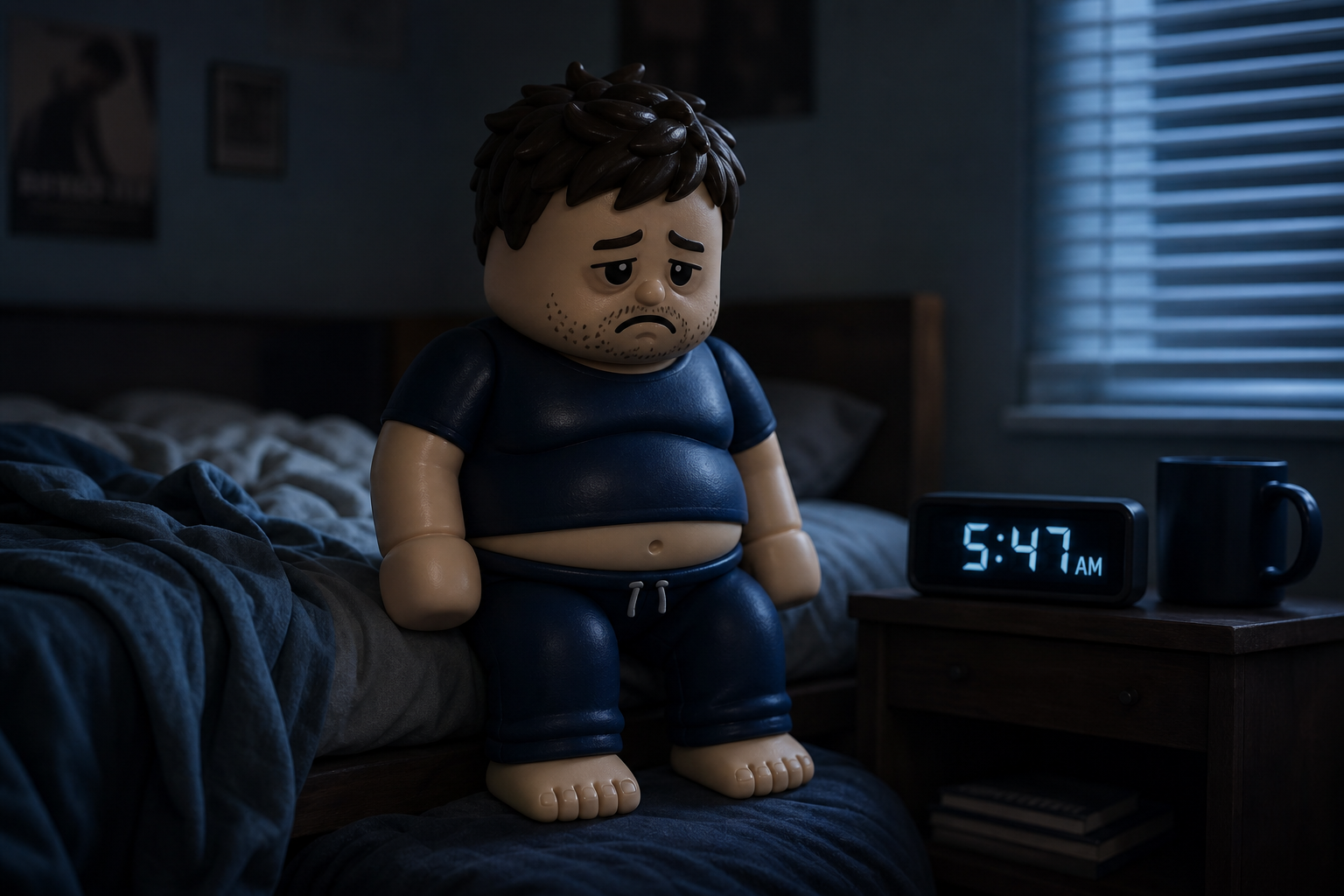
The 10 Warning Signs You Shouldn't Ignore
Low testosterone doesn't announce itself with a single dramatic symptom. It creeps in gradually — and because the decline happens slowly, many men normalize how they feel without realizing something is medically wrong. Here are the signs that warrant a blood test.
1. Persistent Fatigue
Not just tired after a long day — this is a bone-deep exhaustion that doesn't resolve with sleep. Men with low T often describe feeling drained by mid-afternoon despite sleeping 7-8 hours. If caffeine is the only thing keeping you upright, that's a signal worth investigating.
2. Reduced Sex Drive
Testosterone is the primary driver of libido in men. A noticeable decline in sexual interest — especially compared to 1-2 years ago — is one of the most reliable indicators of hormonal decline. This isn't about aging; it's about biology.
3. Erectile Difficulty
While ED has many causes, testosterone plays a key role in triggering the chemical cascade that produces an erection. Men with low T often report reduced firmness, difficulty maintaining erections, or fewer spontaneous erections (including morning erections).
4. Loss of Muscle Mass
Testosterone drives muscle protein synthesis. When levels drop, maintaining muscle becomes harder even with consistent training. You might notice your lifts stalling, visible size loss, or a "soft" quality to muscles that used to be defined.
5. Increased Body Fat
Especially around the midsection. Low T promotes visceral fat accumulation, and that fat tissue contains aromatase enzymes that convert remaining testosterone to estrogen — creating a vicious cycle of declining T and increasing fat.
6. Mood Changes
Irritability, low motivation, and a general sense of flatness. Some men describe it as feeling like the color has been turned down on life. Depression and anxiety symptoms in men are significantly correlated with low testosterone levels.
7. Brain Fog
Difficulty concentrating, forgetting words mid-sentence, struggling to stay focused on tasks that used to be easy. Testosterone receptors exist throughout the brain, and cognitive function is among the first things affected by hormonal decline.
8. Poor Sleep Quality
Low testosterone disrupts sleep architecture — you may fall asleep fine but wake frequently, or sleep a full night and still feel unrested. There's also a bidirectional relationship: poor sleep further suppresses testosterone production.
9. Reduced Bone Density
This one is silent until it isn't. Testosterone helps maintain bone mineral density, and prolonged deficiency increases fracture risk. Men over 50 with low T are at particularly elevated risk for osteoporosis.
10. Decreased Body Hair
Thinning of body hair, slower beard growth, or reduced hair in areas that were previously dense. While not the most alarming symptom, it's a visible indicator of hormonal change that many men notice.
How Many Symptoms Is "Enough" to Get Tested?
If you're experiencing two or more of these symptoms consistently for more than a few weeks, it's worth getting a simple blood test. The test itself takes minutes — and the answer changes everything about how you approach the problem.
What These Symptoms Are Not
These symptoms overlap with other conditions — thyroid disorders, depression, sleep apnea, diabetes, and chronic stress can all mimic low T. That's exactly why lab testing matters. You can't treat what you haven't diagnosed.
Lab testing questions? See our FAQ →
Explore this topic by where you are
Each of the symptoms on this page is a search men make on its own. Here's the in-depth read for the ones that resonated: